
PLUS: Motorola wants to sell you a $1,600 phone that doesn't fold.
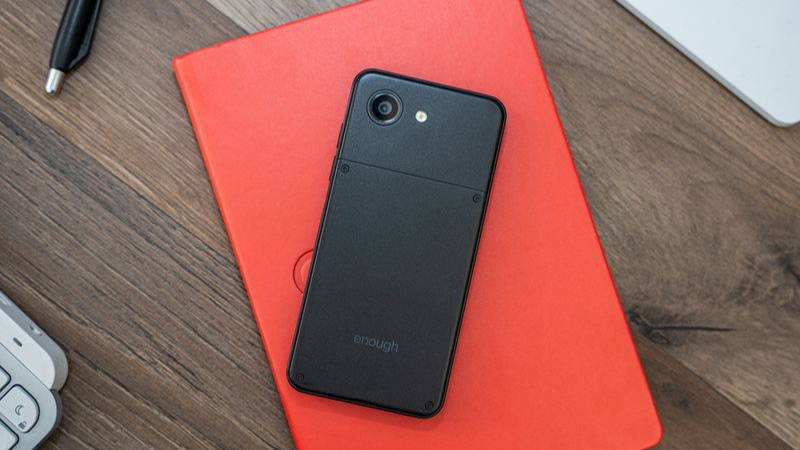
Small phones are nearly extinct, but there’s a new company trying to revive the category. The Enough Phone is a 5.3-inch Android phone that launched on Kickstarter this week, roughly the footprint of the iPhone 13 Mini. It has midrange specs, like a MediaTek Dimensity 7500 processor, expandable storage, and a user-replaceable battery. What makes it even more unique is that you can choose between stock Android or OdysseyOS—a minimalist fork that lets you use utility apps like Uber, Spotify, and banking apps, but strips away games, social media, browsers, and anything designed to keep you glued to the screen, like a smarter dumb phone.
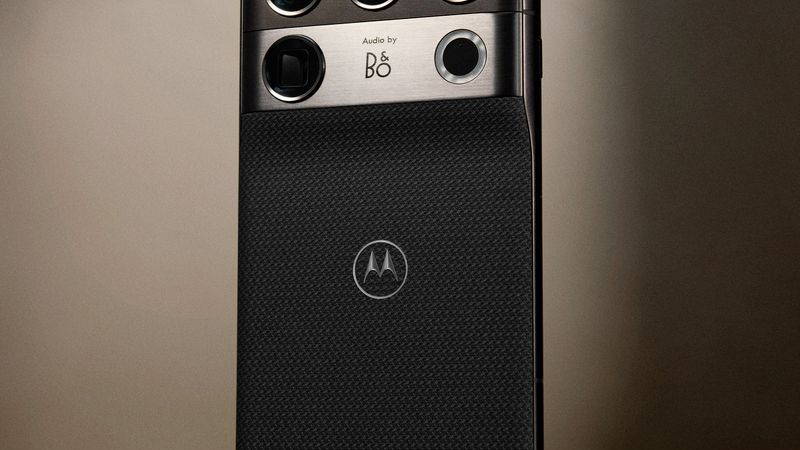
At the exact opposite end of the spectrum sits the ultra-premium, top-of-the-line Signature 27. On Thursday, Motorola unveiled its $1,600 candy bar smartphone. The company doesn’t typically compete in this bracket, especially with phones that don’t fold, but it’s clearly angling to challenge the highest-end hardware from Apple and Samsung. It’s ambitious, but can Motorola convince buyers to drop that much on a phone without a hinge?
|
|
All products featured on WIRED are independently selected by our editors. However, we may receive compensation from retailers and/or from purchases of products through these links.
|
|
|
By Julian Chokkattu
As flagship smartphones balloon in size, the Enough Phone offers a 5.3-inch handset. Choose between stock Android or an anti-distraction operating system.
|
|
|
|
|
By Julian Chokkattu
Equipped with the brightest display, an “Event-Based Vision Sensor,” and the next-generation Qualcomm processor, Motorola hopes you’ll want to spend big bucks on its ceramic and aluminum Signature 27.
|
|
|
|
|
By Aarian Marshall
Since early 2026, the law has required electric bike owners to get licenses—and in some cases, insurance—to ride. It has left many stranded and confused.
|
|
|
|
|
Sometimes AI search results are nothing more than an obstacle standing in the way of the information you want. Other times, they can save you the hassle of clicking through irrelevant, dense, ad-filled web pages in search of the one tidbit of information you’re looking for. Depending on your search, AI results can either make things remarkably easier or totally misinform and further confuse you. There really is no one-size-fits all rule, which is why you should read WIRED’s guide to when and when not to use AI to search the web. —writes Elana Klein.
|
|
|
|
|
By Boone Ashworth
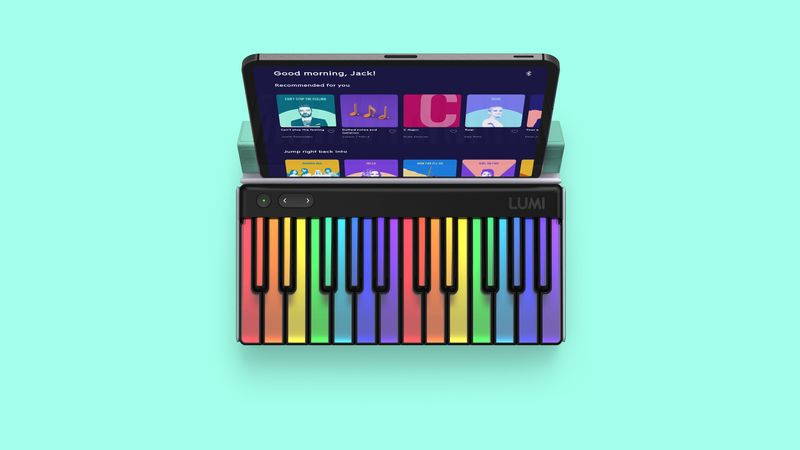
The inventive instrument maker collapsed into insolvency, leaving buyers empty-handed and users scrambling to keep their musical gear alive.
|
|
|
|
|
By Julian Chokkattu
The startup Aina bets you won’t need to rely on your phone to control virtual assistants. It’s making a smart ring that lets you control the actions of your autonomous agents with one tap.
|
|
|
|
|
By Luke Larsen
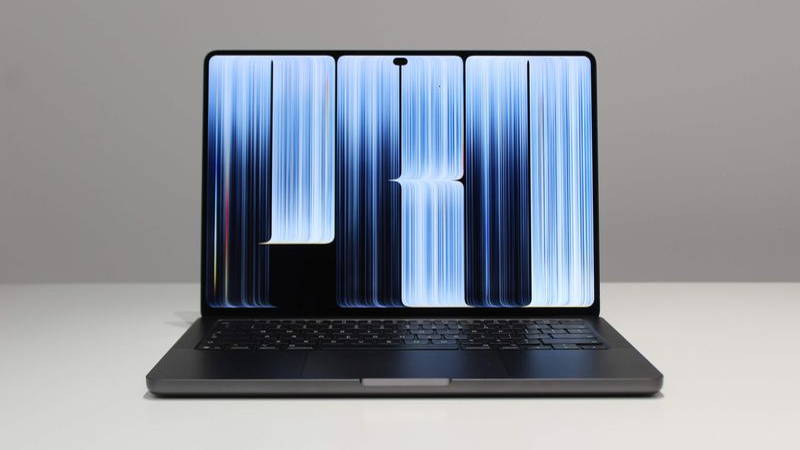
The new OLED MacBook Pro comes with an incredible-looking touchscreen display—and an equally eye-popping price.
|
|
|
|
|
By Jeremy White
The founders of Maison Lineti are, in a world first, making single malt whisky as if it were wine—and the spirit world is mighty impressed.
|
|
|
|
|
By Reece Rogers
The Chromagraph Camera app costs $13 and processes iPhone photos with the same color math Rian Johnson’s cinematographer, Steve Yedlin, uses for film.
|
|
|
|
|
By David Nield
The iOS app Oh My Hours takes a new approach to curbing screen time. It splits up your day into hour-long blocks, then shows which ones you wasted on Instagram and TikTok.
|
|
|
This email was sent to you by WIRED. To ensure delivery to your inbox (not bulk or junk folders), please add wired@newsletters.wired.com to your address book.
Copyright © Condé Nast 2026. One World Trade Center, New York, NY 10007. All rights reserved.
|









No comments:
Post a Comment